

Blog
Stay updated with the latest insights in chiropractic care, wellness tips, and injury recovery.

Thoracic Spine Mobility Exercises: The Missing Piece in Neck, Shoulder, and Back Pain
The movement restriction behind neck stiffness, shoulder impingement, and mid-back aching often sits in the thoracic spine, not where the pain is. Here is why it matters and a five-exercise progression to restore it at home.
Read More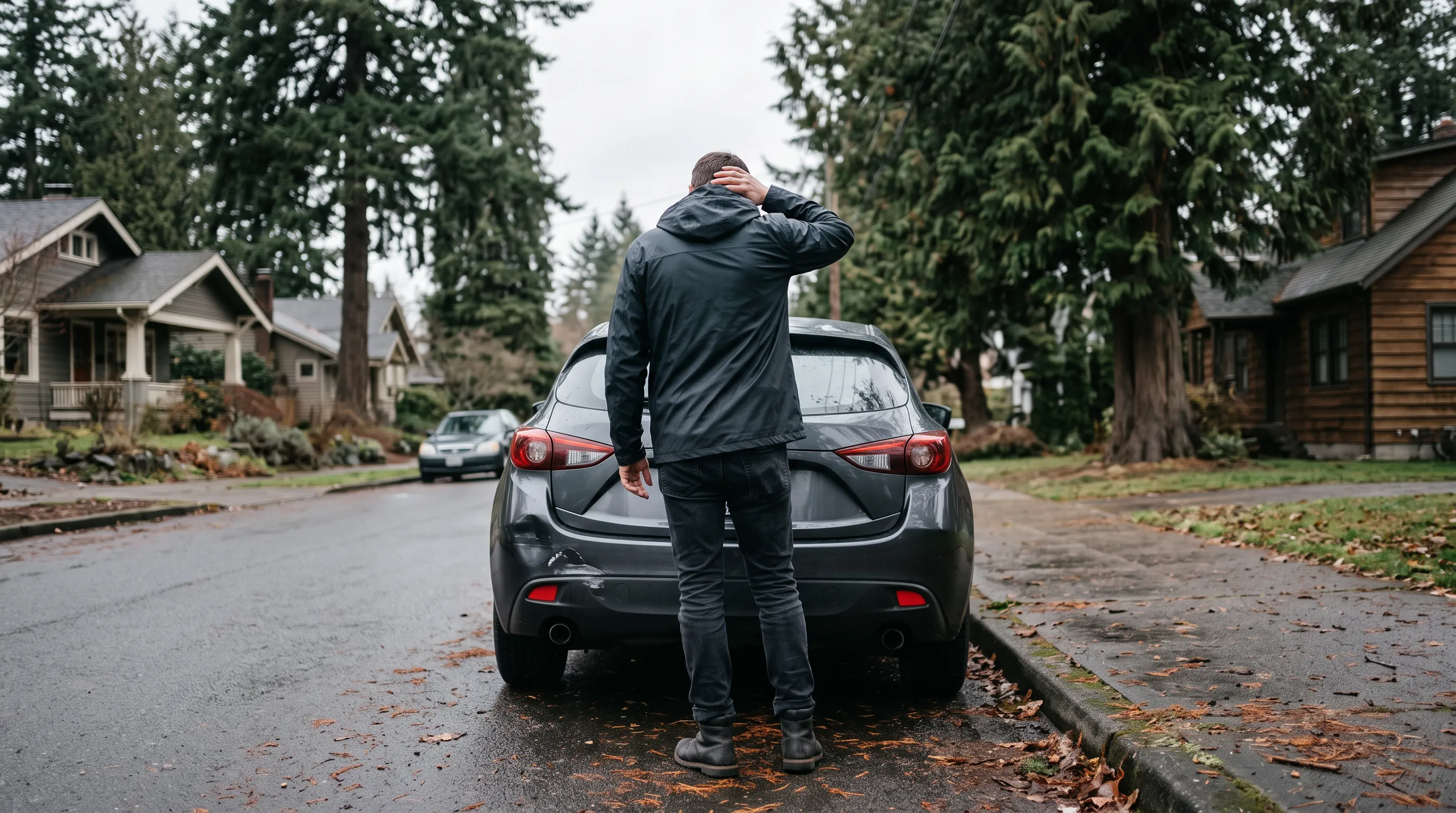
Why Pain Levels Do Not Predict Injury Severity After a Car Accident
Feeling fine after a crash is common, and it says very little about whether you are hurt. Here is why car accident pain is delayed, why imaging misses soft tissue injuries, and why early evaluation protects both your recovery and your claim.
Read More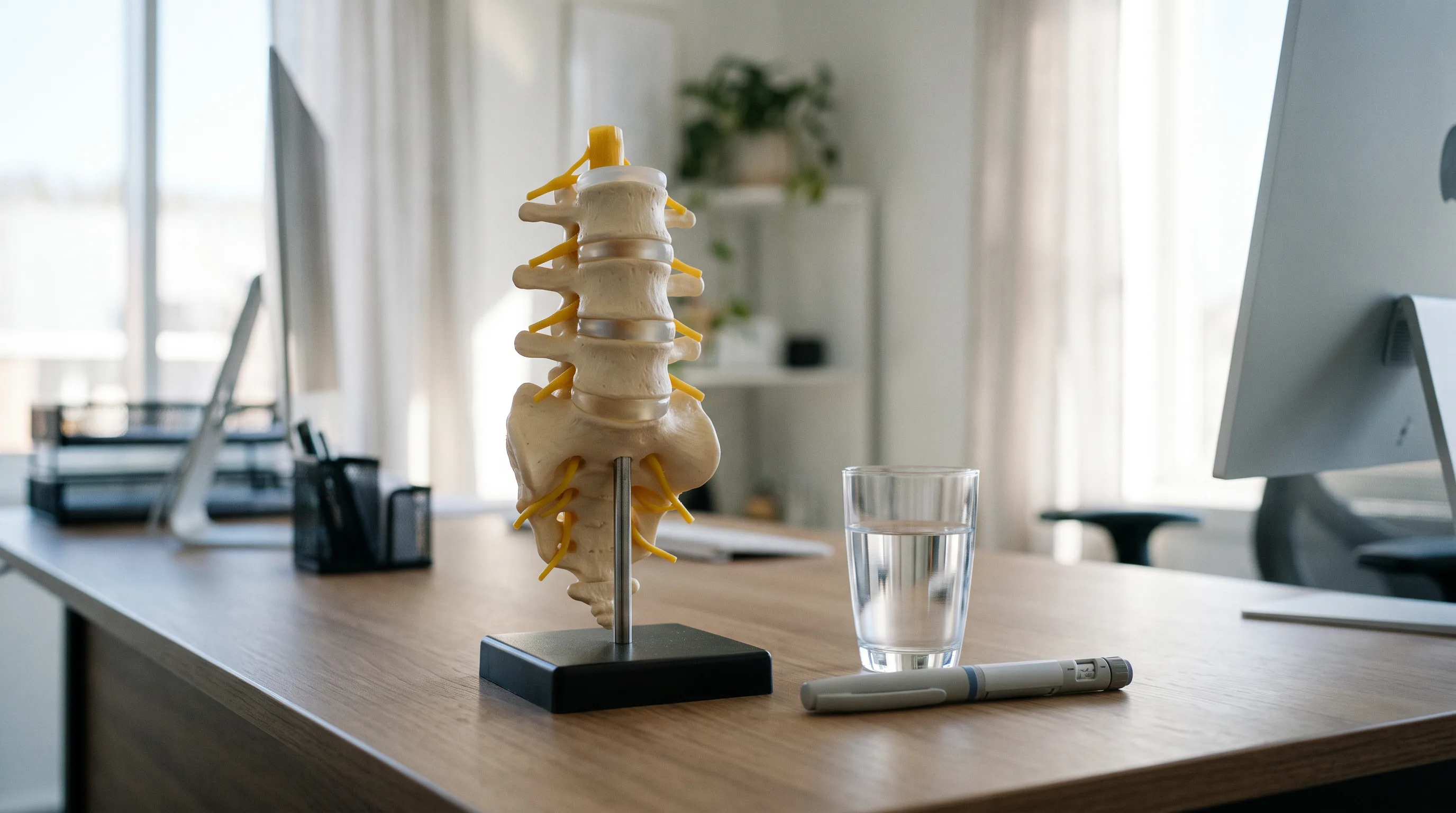
When the Weight Comes Off and the Joint Pain Shows Up: GLP-1 Drugs and Your Spine
Patients on semaglutide or tirzepatide often feel better overall, then notice new knee, back, or shoulder pain. Here is why losing muscle along with fat can leave joints less stable, and what helps.
Read More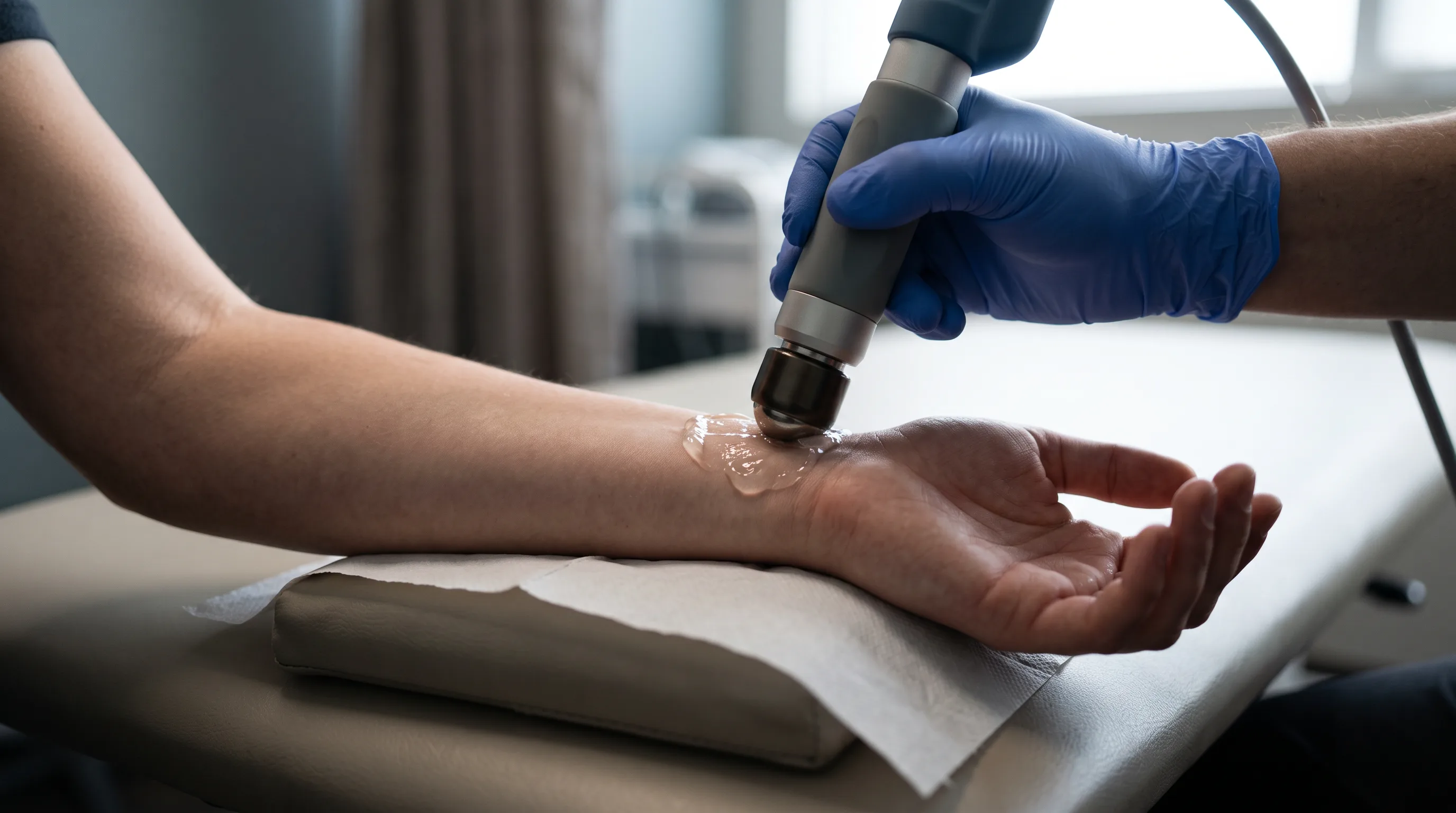
SoftWave Therapy for Carpal Tunnel Syndrome: What It Can (and Cannot) Do for Your Wrist
Many people with carpal tunnel have already tried a brace, anti-inflammatories, and maybe an injection before they ask about other options. Here is how SoftWave therapy works on the wrist, what the research shows, and who it is a good fit for.
Read More
Walking for Back Pain: What the Evidence Actually Recommends
Many people with low back pain stop walking, but the research now points the other way. Here is why walking helps, a phased protocol, and five progressions from cautious beginner to confident mover.
Read More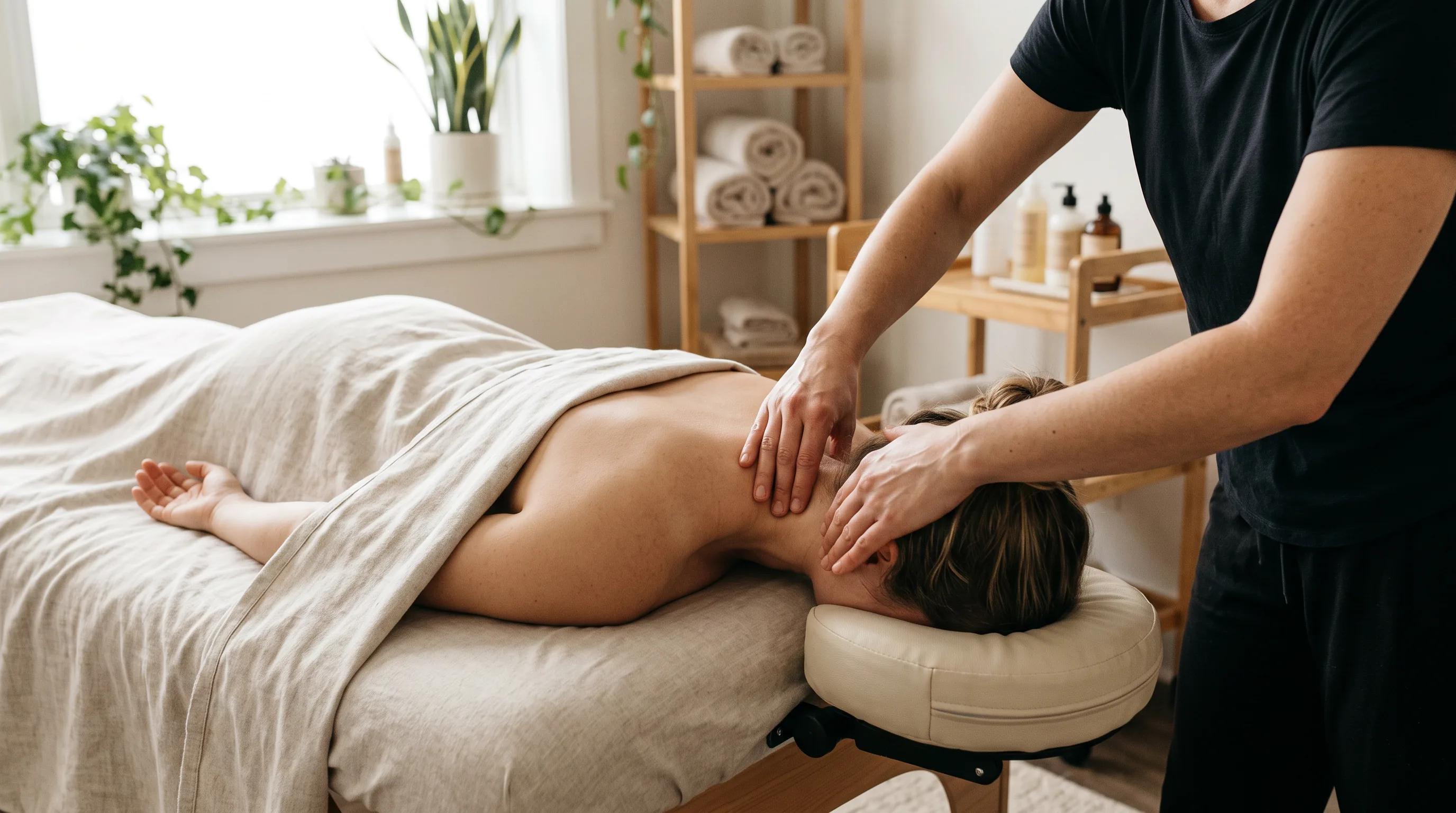
The Role of Massage Therapy and Soft Tissue Care in MVA Recovery
Soft tissue work is often where the real healing begins after a car accident. Here is what massage therapy does for MVA injuries, when to start, and how it fits with Oregon PIP coverage.
Read More
Why Your Back Pain Might Be Coming From Somewhere Else
The place where pain is felt is not always the place where pain begins. Here is how referred pain works, why it gets missed, and how finding the true source changes treatment.
Read More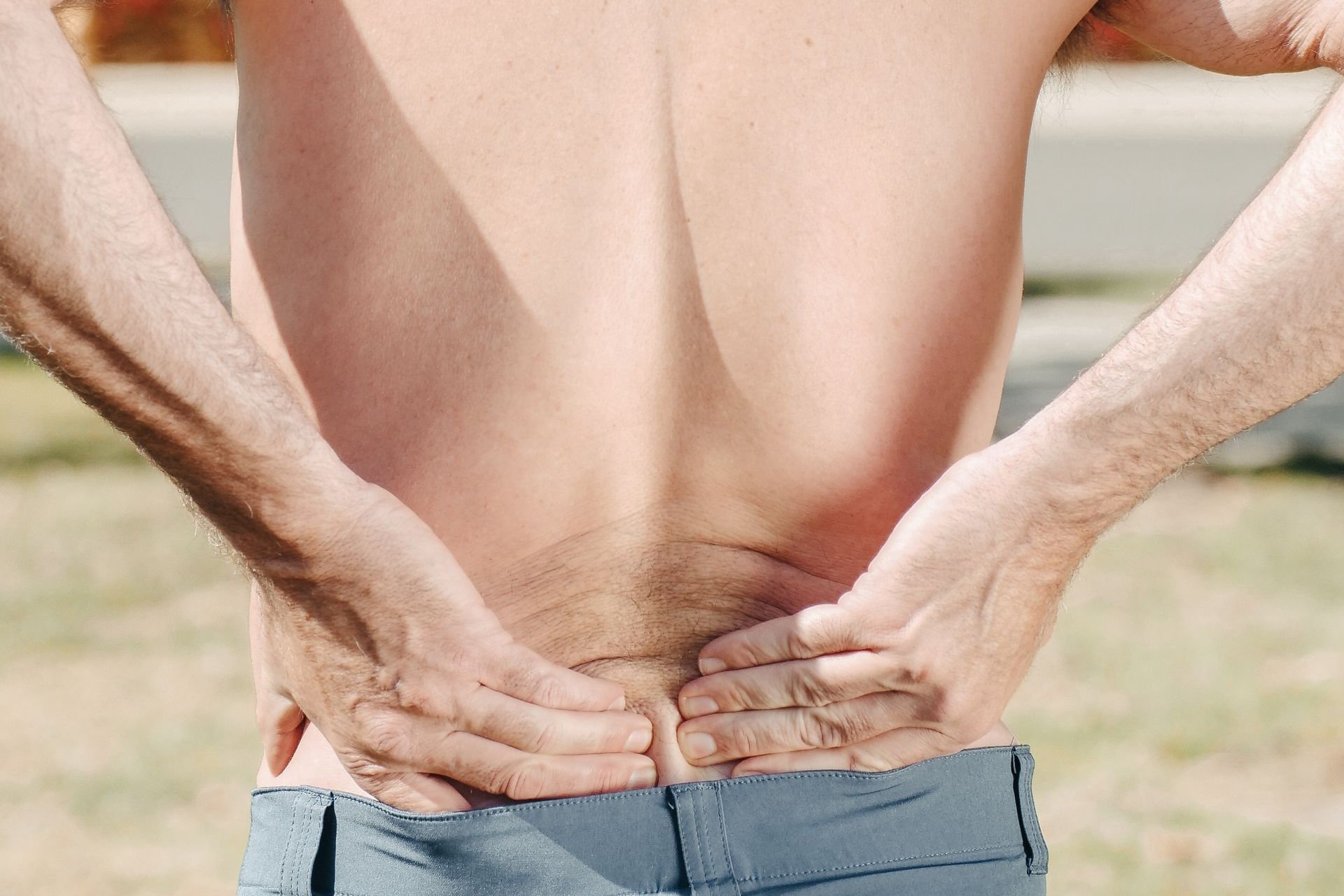
Lower Back Pain After a Car Accident: Causes, Red Flags, and When to Get Seen
Whiplash gets most of the attention, but the lower back takes a hit in many collisions too. Often it doesn't start hurting until a day or two later. Here's what's going on, what to watch for, and when to get checked.
Read More
Oregon PIP Explained: What Your Auto Insurance Pays for After a Crash
Most Oregon drivers pay for Personal Injury Protection every month and never learn what it does until they need it. Here is what PIP covers, how long it lasts, and how it works when you come in for care after an accident.
Read More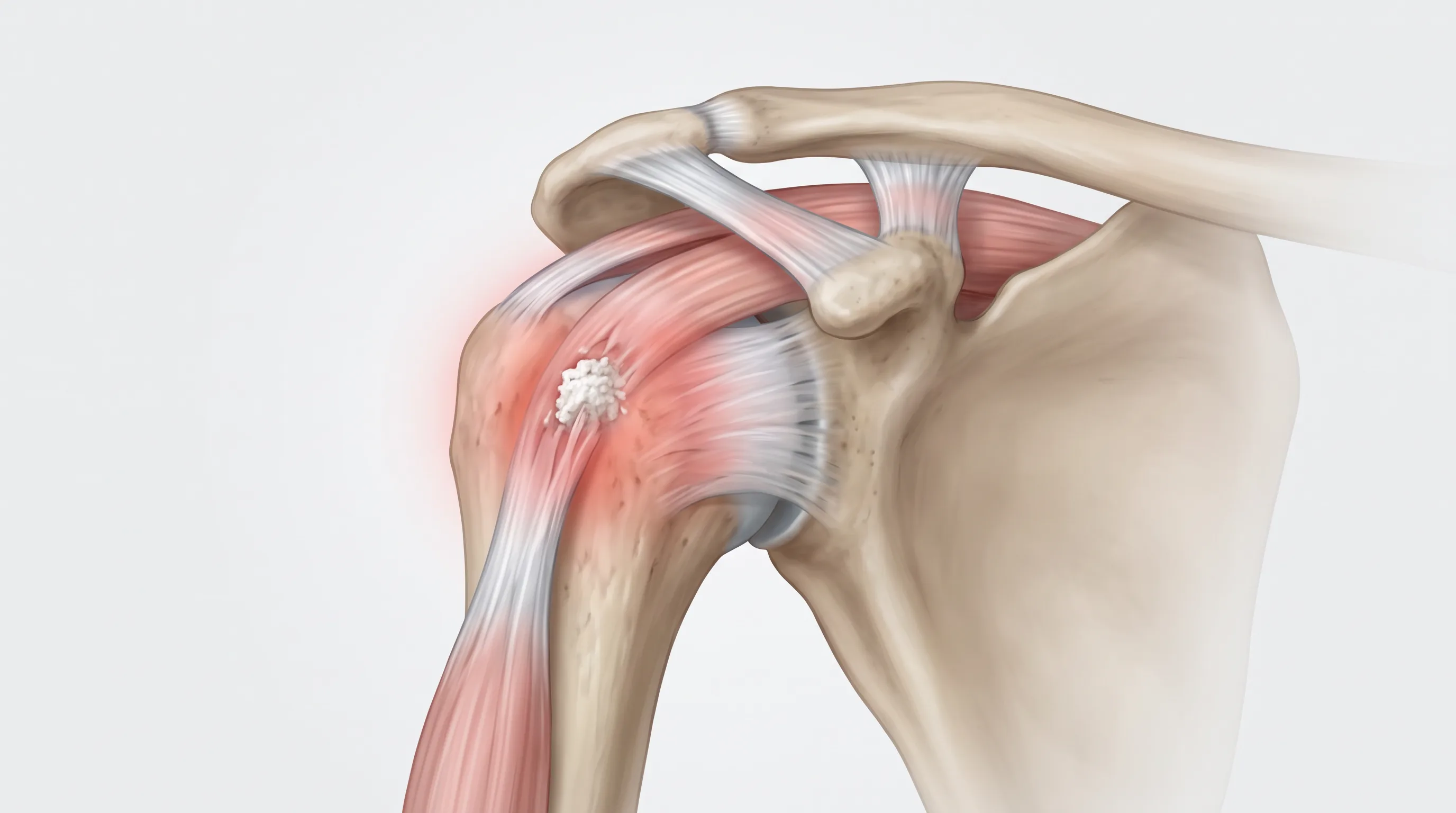
Calcific Tendinitis: What SoftWave Therapy Actually Does to Those Calcium Deposits
The sharp, grinding shoulder pain that keeps you up at night may be calcium inside the tendon, not arthritis or a tear. Here is how SoftWave therapy breaks up those deposits, what the research shows, and who should not have it.
Read More
Core Stability Exercises for Back Pain: What the Science Actually Says (and What Most People Get Wrong)
People with chronic low back pain often have stronger trunk muscles than people without it. The problem is timing, not strength. Here is what the research says and a five-step progression that trains it.
Read More
Shoulder Injuries in Car Accidents: Labrum, Rotator Cuff, and AC Joint
Neck pain gets the attention after a crash, but the shoulder is often hurt too and rarely shows up on an ER X-ray. Here are the three injury patterns we see most, how they are found, and what recovery looks like.
Read More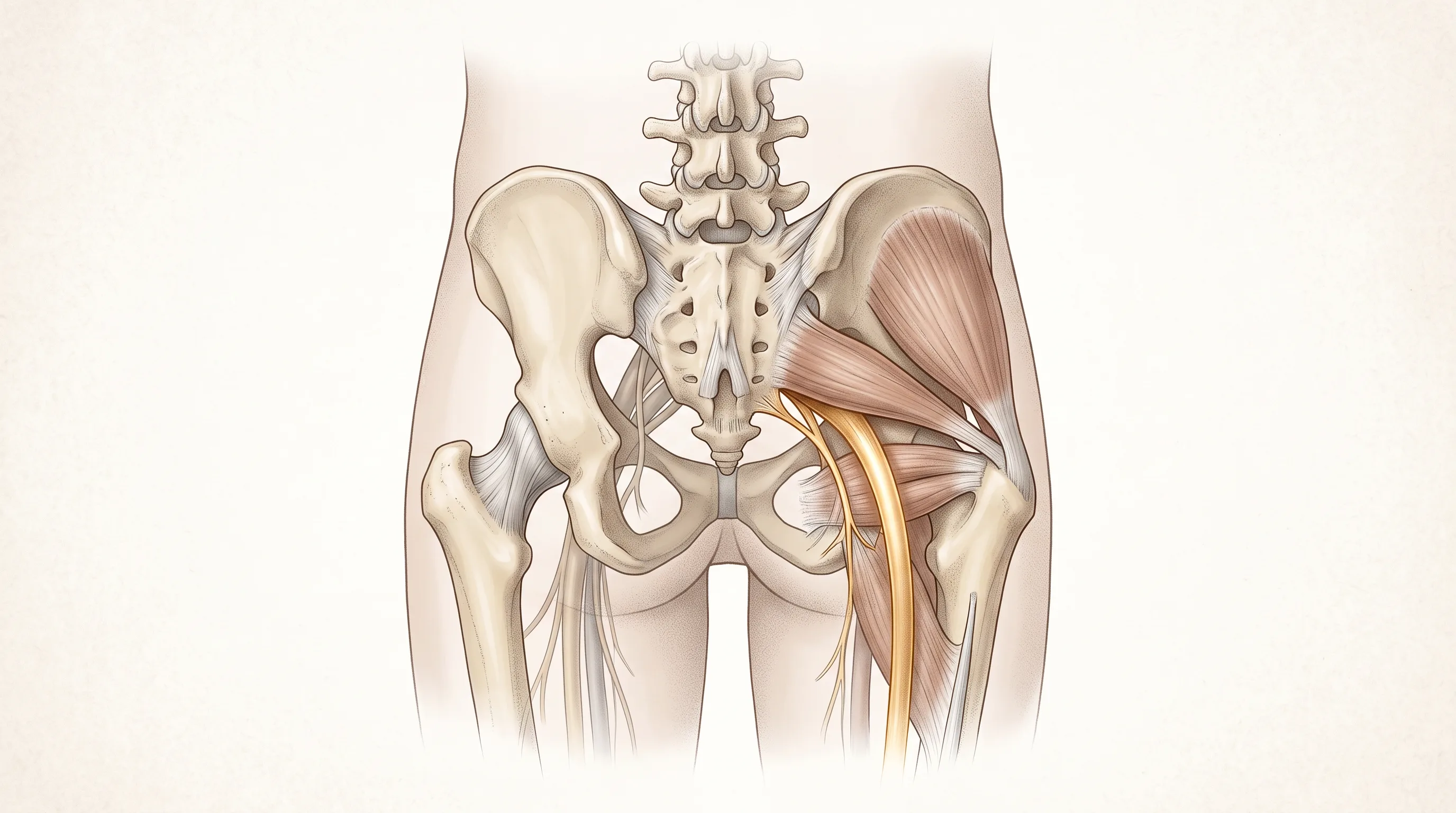
Sciatica vs. Piriformis Syndrome: Two Conditions, One Set of Symptoms
Shooting leg pain is not always sciatica. Here is how a chiropractor tells a lumbar nerve root problem from piriformis syndrome, why imaging can mislead, and how treatment differs for each.
Read More
What the Latest Shockwave Therapy Research Actually Shows (2024-2026)
Shockwave therapy is no longer "experimental." Here are four recent studies and reviews on tendinopathy, knee osteoarthritis, and plantar fascia change, plus an honest look at where the evidence still has limits.
Read More
Shoulder Impingement Exercises: The Rehab Protocol That Actually Works
Most shoulder impingement is a motor control problem, not a structural one. Here is why standard rotator cuff exercises often fall short, and a five-exercise protocol that trains the scapula first.
Read More
Getting Back to Work After an MVA Injury: A Realistic Timeline
Going back to work too soon is one of the most common ways people stretch a few weeks of recovery into months. Here is what drives your timeline, how work restrictions are set, and what to expect week by week.
Read More
Cervicogenic Headaches vs. Migraines: How Chiropractic Helps Both
Headaches that start at the base of the skull and follow your neck position are often not migraines at all. Here is how cervicogenic headache differs from migraine, what the research says about chiropractic for each, and when to be referred out.
Read More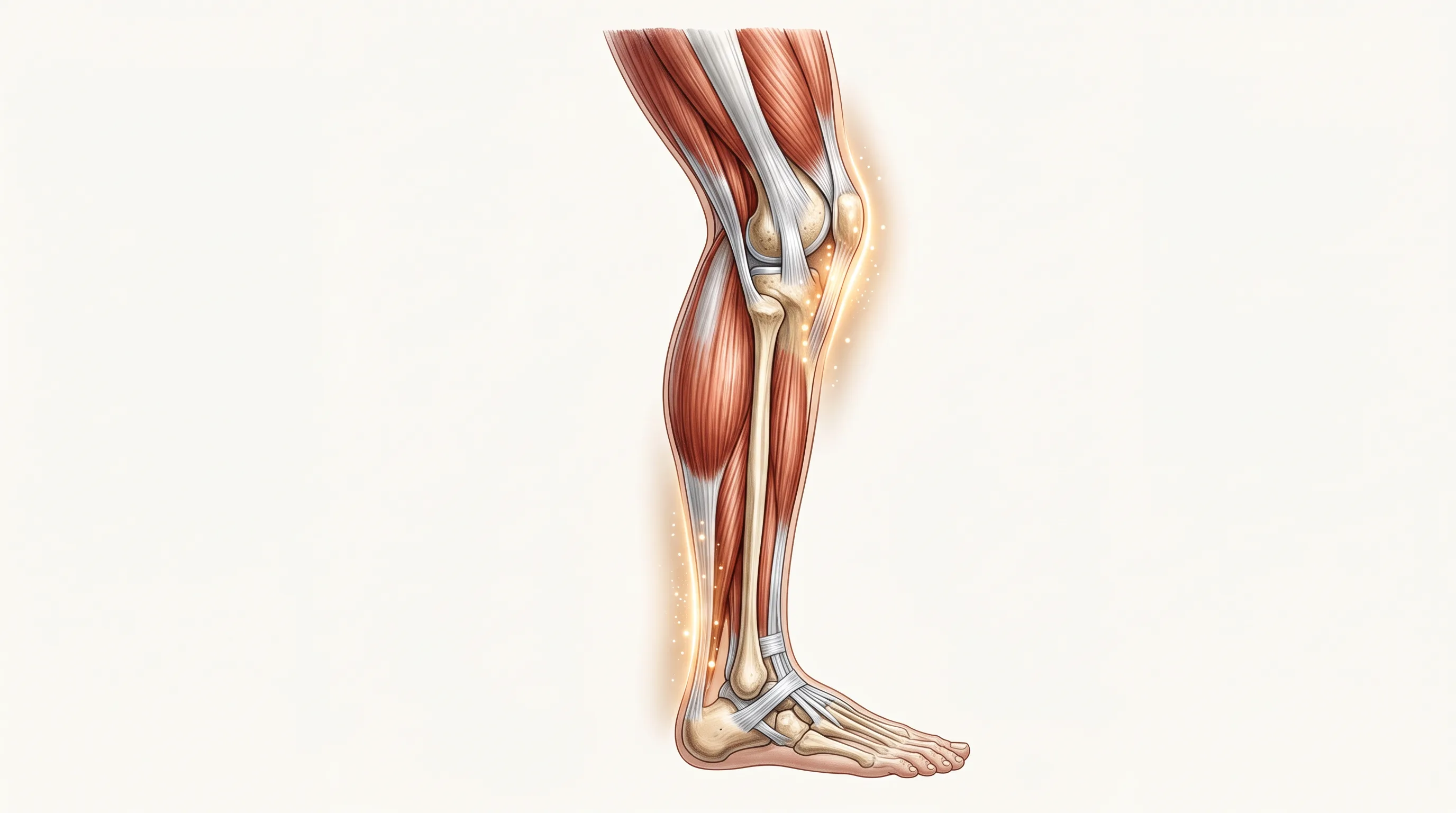
Shockwave Therapy for Tendinopathy: Why Rotator Cuff, Achilles, and Patellar Pain Finally Responds
Chronic tendon pain that rest, ice, and rehab have not fixed is usually a stalled repair process, not an inflamed tendon. Here is how shockwave therapy restarts it in the rotator cuff, Achilles, and patellar tendon.
Read More
Hip Mobility Exercises: Why Restricted Hips Are the Hidden Cause of Back and Knee Pain
When the hips stop moving, the low back and knees pick up the slack. Here is how restricted hip mobility drives pain elsewhere, and a five-exercise at-home protocol to restore it.
Read More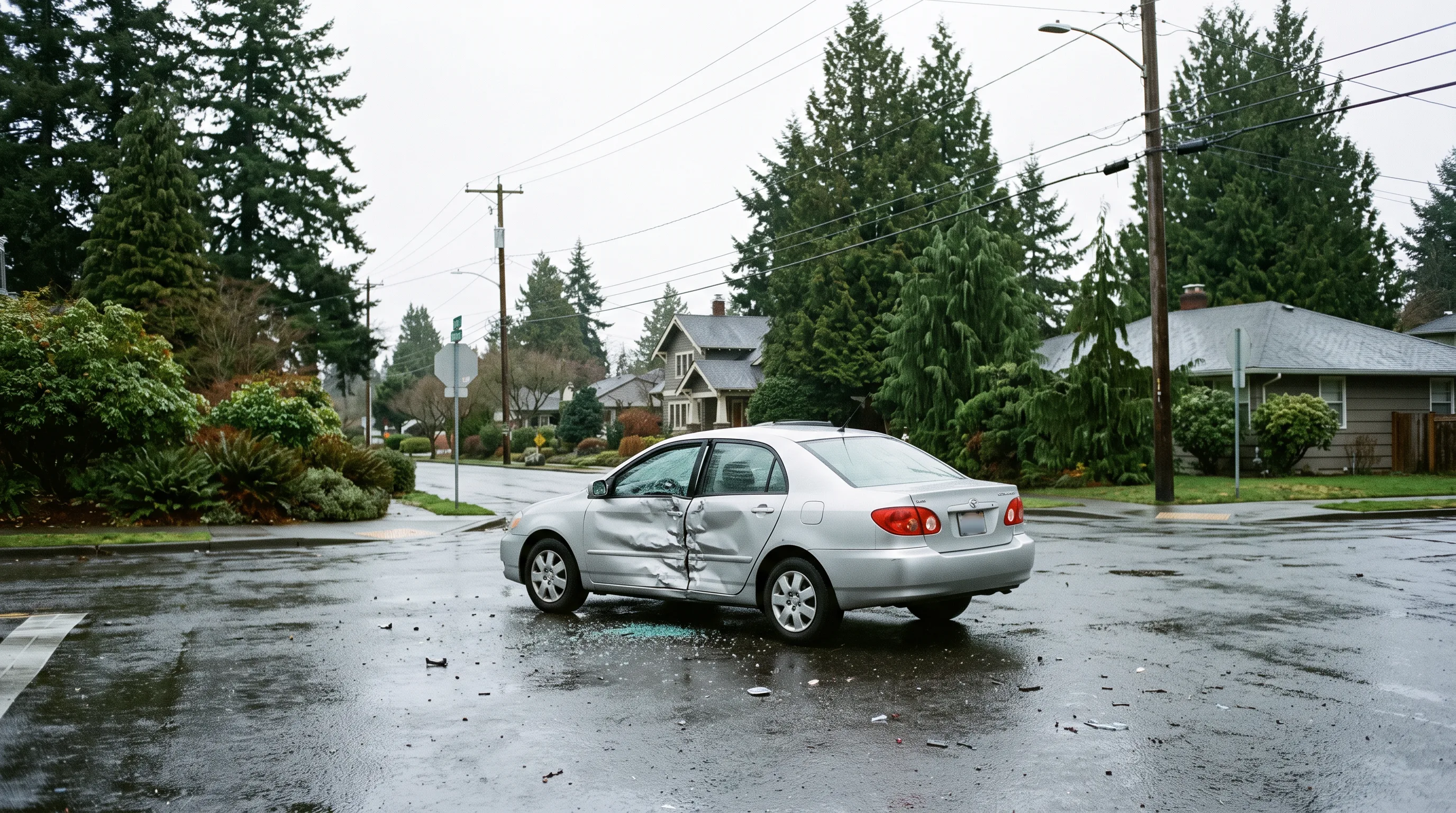
Case Study: T-Bone Collision Recovery and What Side Impact Car Accident Injuries Really Demand
A clean ER X-ray after a T-bone crash does not mean you are fine. This anonymized case study follows a side impact injury from first visit to discharge, including imaging, a 13-week timeline, and how Oregon PIP fits in.
Read More
SoftWave Therapy Explained: How Tissue Regeneration Works and When It Makes Sense
Acoustic waves that repair a tendon without needles, drugs, or surgery sound too good to be true. Here is what SoftWave TRT does inside tissue, where the evidence is strong, and who should skip it.
Read More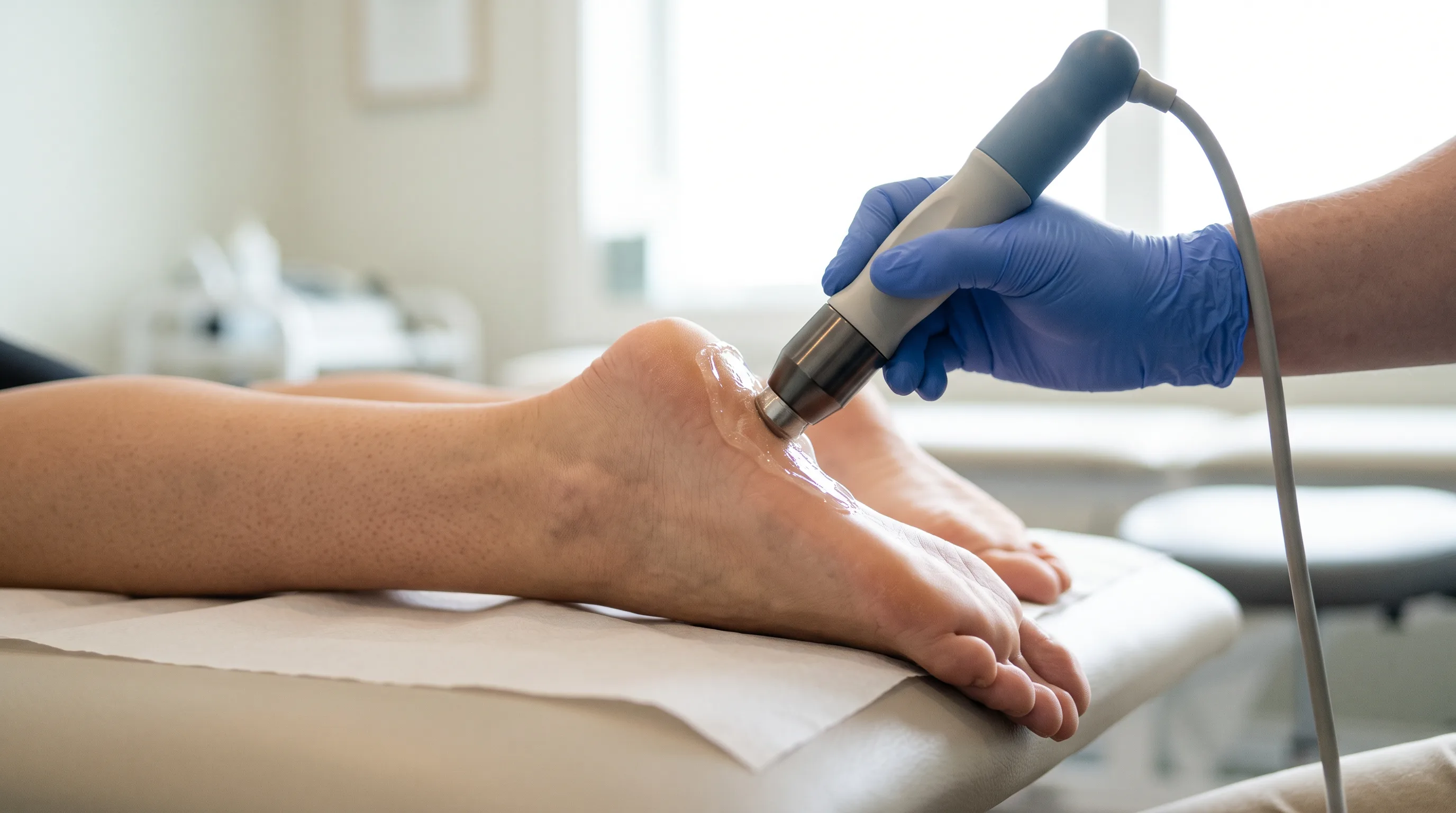
SoftWave Therapy for Plantar Fasciitis: What the Research Says (and What It Doesn't)
Heel pain that has outlasted stretching, orthotics, and cortisone is a common story. Here is what SoftWave therapy does inside the plantar fascia, what the research shows, and what to realistically expect.
Read More
Glute Activation Exercises: Why Most People's Glutes Underperform (and How to Fix It)
Most people's glutes are underperforming. Dr. Santiago explains why, and gives you a proven glute activation protocol to fix it at home.
Read More
Oregon Car Accident Injuries: What the Data Tells Us (And What It Means for Your Recovery)
Oregon car accident injuries follow predictable patterns. Dr. Santiago Maceiras explains statewide data, Clackamas County trends, and what injuries to watch for.
Read More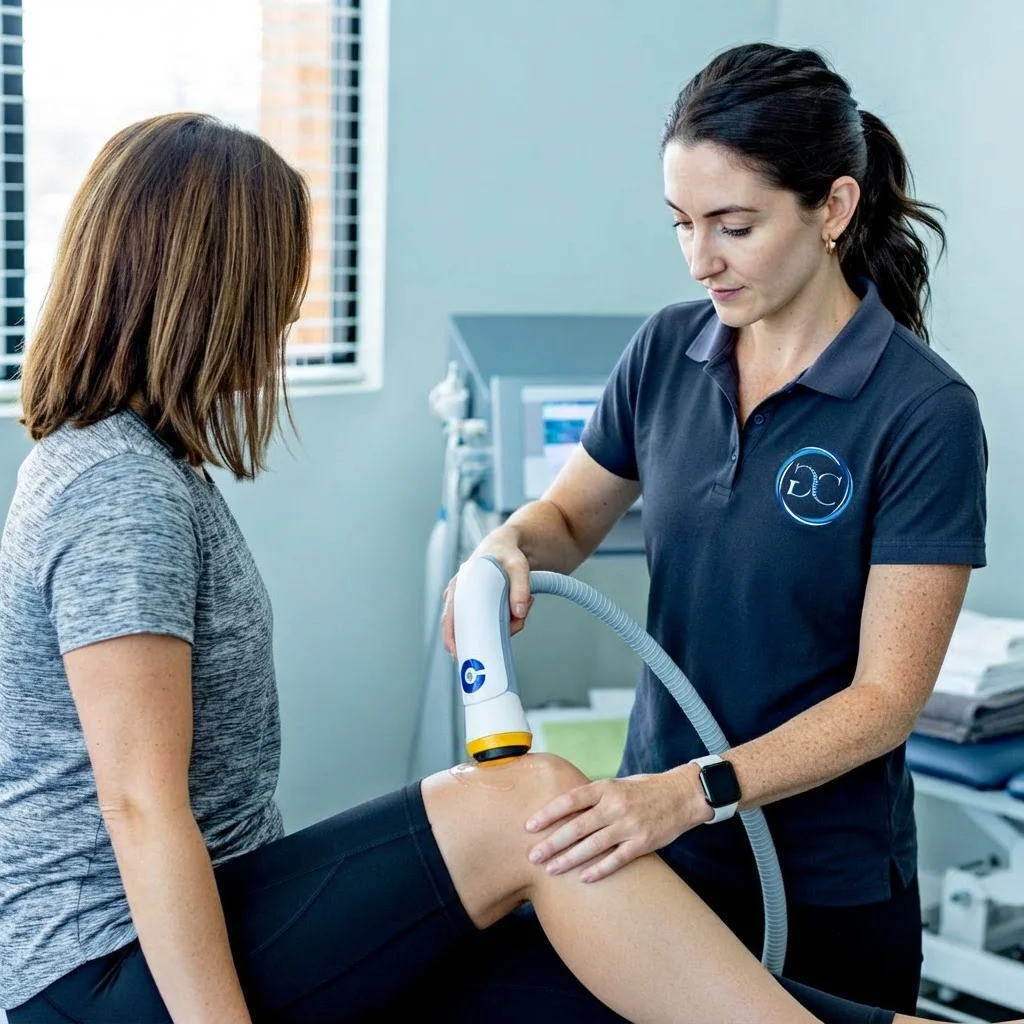
SoftWave Therapy in West Linn: What the Research Now Says About Tissue Regeneration
SoftWave TRT uses unfocused acoustic energy to trigger real tissue healing. A West Linn chiropractor explains the science and who it actually helps.
Read More
How Long Does Whiplash Last? What the Research Says About Recovery
Most people with whiplash improve, but not everyone does, and the research is surprisingly specific about why. Here is what large studies say about recovery time, what predicts a slower course, and what you can do about it.
Read More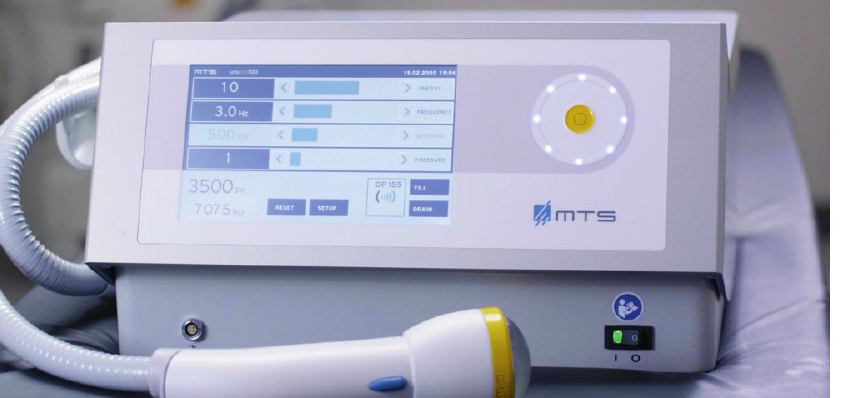
SoftWave vs. Radial Shockwave: What the Difference Means for Your Recovery
Most patients assume "shockwave is shockwave," meaning every clinic offering it is running the same machine at the same intensity. It isn't, and the difference isn't marketing. It comes down to how the wave is physically generated, and that changes what the treatment can reach and how it feels.
Read More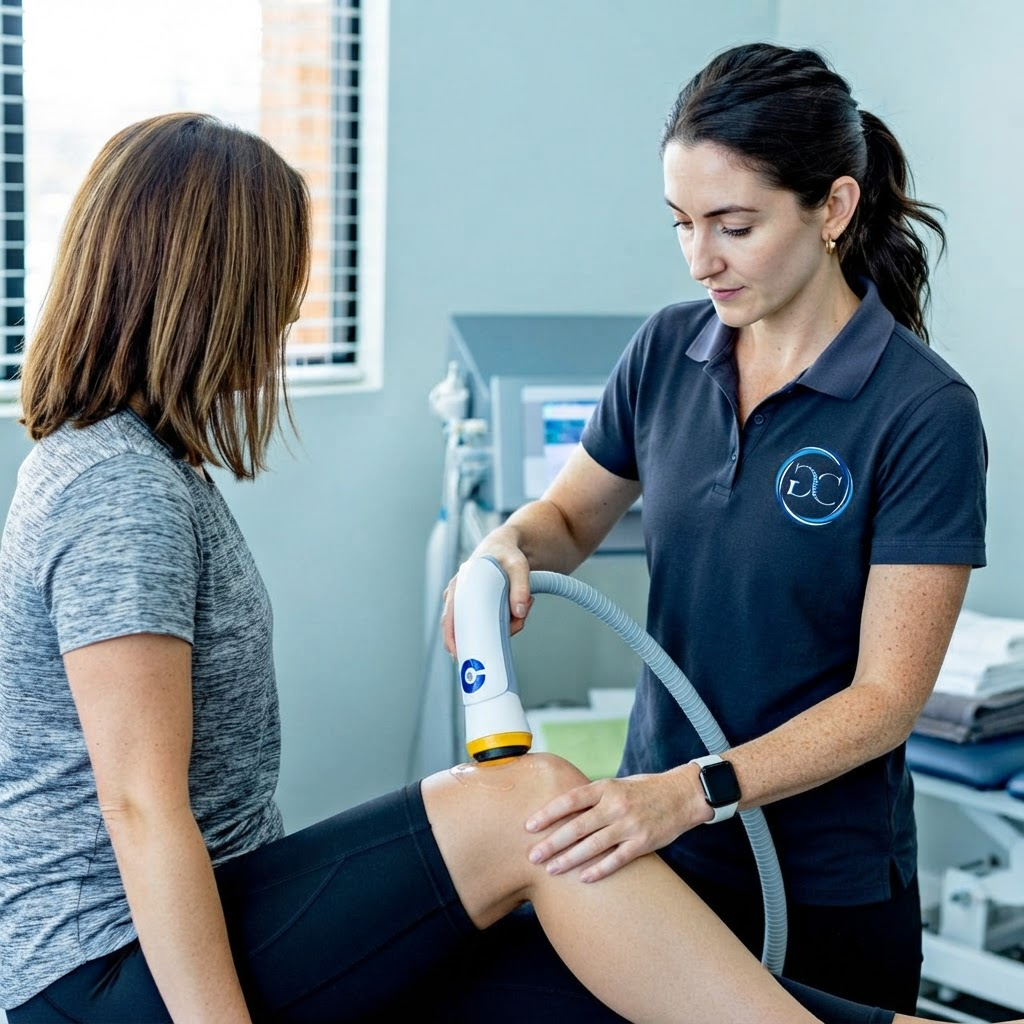
The Research Behind Shockwave Therapy
Extracorporeal shockwave therapy has an unusual origin story: the same physics used to pulverize kidney stones, repurposed to heal tendons and joints. Two decades of randomized trials later, it's become one of the best-supported non-surgical treatments in orthopedic medicine, and one of the most effective tools we have in the clinic.
Read More
What to Do After a Car Accident in the Portland Area
The physiology of a car accident works against you: the same stress hormones that let you calmly exchange insurance information are the reason you might not feel injured until two days later. Here's what to actually do, in what order, and what Oregon law already guarantees you.
Read More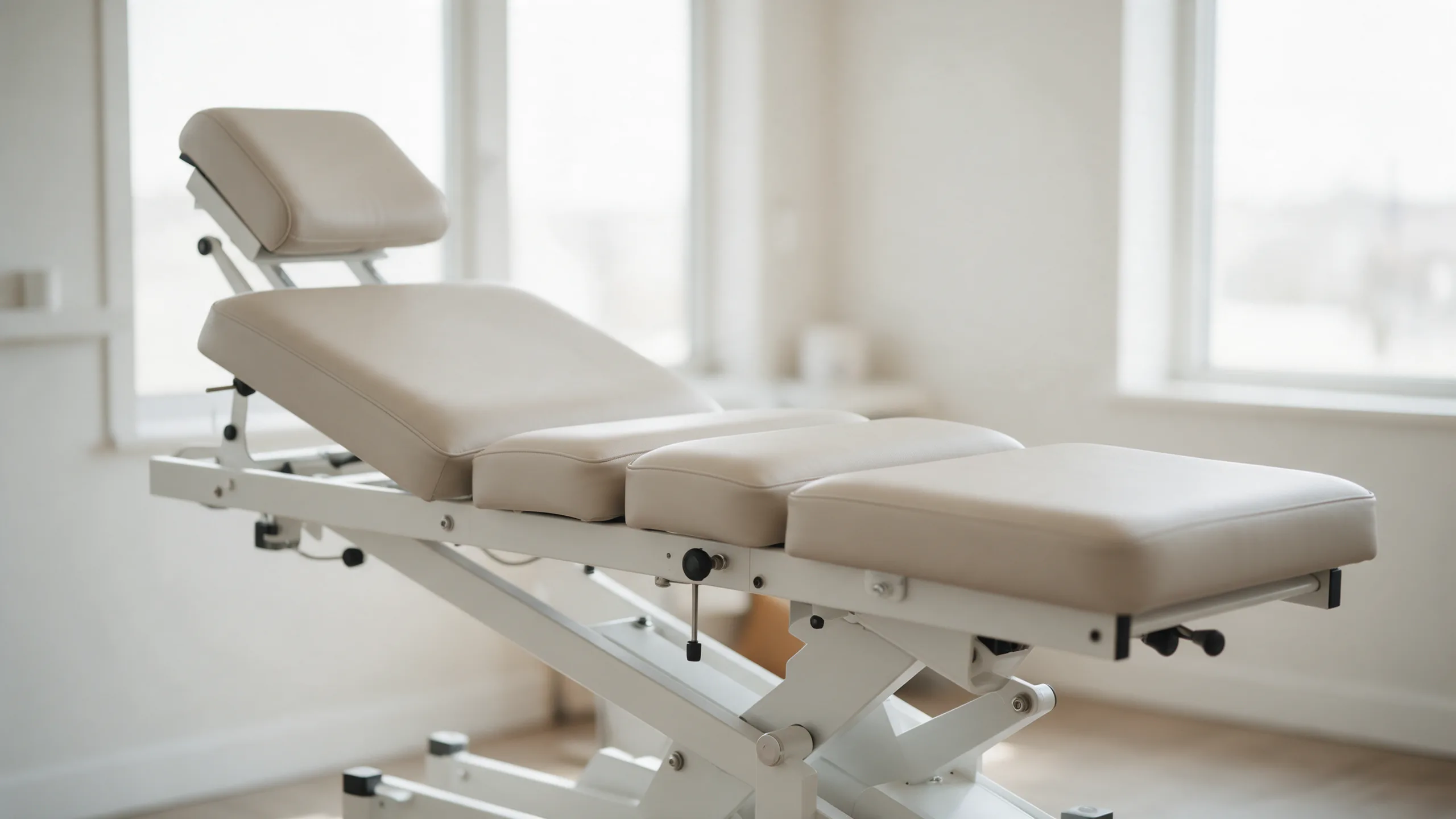
Non-Surgical Spinal Decompression for Herniated Discs: What Actually Happens to Your Spine
Spinal decompression near West Linn treats herniated discs without surgery. Learn the mechanism, who it helps, and what the evidence actually shows.
Read More
Red Light Therapy: What It Is, How It Works, and Who Can Benefit
Red light therapy has been quietly accumulating one of the strongest evidence bases in physical medicine — yet most patients have never heard of it until they need it. Here is a clinician's honest explanation of what it does, why it works, and whether it is right for you.
Read More
Ergonomics at Home and Work
Your environment is either working with your body or against it — usually without you noticing. Here's how to set up your home and workspace so it stops accumulating damage one small movement at a time.
Read More
"Chasing Pops": What They Are and Whether They Matter
That satisfying crack during a chiropractic adjustment — what's actually causing it, and does it mean the treatment worked? We break down the science behind joint cavitation.
Read More
What Chiropractic Does to Your Brain
You came in for your back. So why do you sleep better that night? A 2024 randomized trial measured what's happening inside the brain — and the answer is more interesting than most patients expect.
Read More
The Ergonomics of Sleep: Simple Ways to Reduce Overnight Pain
Most people apply ergonomics to their desk setup. Almost no one applies it to the eight hours they spend unconscious. Here's how to stop waking up in pain — starting with what position you're already sleeping in.
Read More
Physical Therapy & Sports Rehabilitation
Discover how physical therapy and sports rehabilitation can help you recover faster and get back to the activities you love.
Read More Auto Injury Recovery
Learn about the importance of early chiropractic intervention after an auto accident and how it can prevent chronic pain.
Read More
Chiropractic Care
Explore the benefits of regular chiropractic care and how it can improve your overall health, mobility, and quality of life.
Read More
Nerve Decompression for Lumbar Disc Prolapse: A Promising New Approach
Learn about nerve decompression therapy and how this innovative approach is helping patients with lumbar disc prolapse find lasting relief.
Read More Chiropractic Tips for Improving Your Posture
Simple daily habits and exercises recommended by our chiropractors to improve your posture and reduce back pain.
Read More The Role of Chiropractic Care in Improving Posture
How regular chiropractic adjustments can correct spinal misalignments and help you maintain better posture long-term.
Read More How We Helped an Athlete Bounce Back After Injury
A real success story of how our comprehensive treatment approach helped a local athlete recover from a serious sports injury.
Read More Do This Activity and Exercise to Avoid a Bad Back Posture
Practical activities and exercises you can do at home to strengthen your back and prevent poor posture from becoming a chronic problem.
Read More